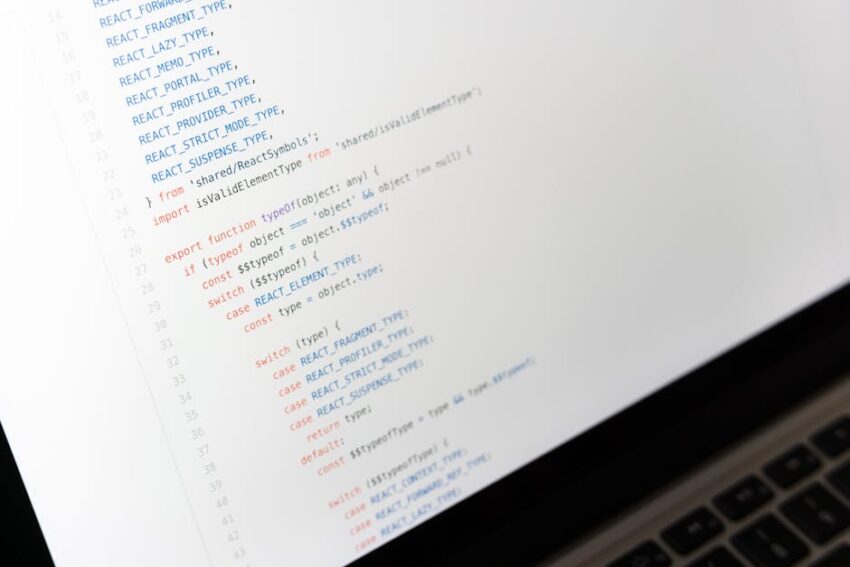
JavaScript is a powerful and versatile programming language essential for creating dynamic and interactive web content. As a beginner, understanding its basics can seem daunting yet rewarding once mastered. This article guides you through the initial steps of learning JavaScript, shedding light on fundamental concepts that form the foundation of your coding journey.
Understanding the Role of JavaScript
JavaScript stands out as a key player in web development, enabling developers to enhance user interfaces through engaging features such as animations and real-time updates. By learning JavaScript, you can bring websites to life beyond static HTML and CSS elements, interactively responding to user actions.
Grasping Basic Syntax
Beginners should first familiarize themselves with JavaScript’s syntax, which is the set of rules defining a combination of symbols and keywords recognized as valid structures by the language. Start simple with data types, variables, and conditions, then gradually delve into functions and loops to form a robust coding foundation.
Learning Through Practice
The most effective way to learn JavaScript is by writing code. Online platforms like Codecademy or freeCodeCamp offer interactive lessons and projects to reinforce your understanding. Building small programs or web apps helps solidify your grasp of the language’s core concepts.
Conclusion: Your Path Forward
Embarking on the journey to learn JavaScript can open doors to numerous opportunities in web development. By starting with the basics and continuously practicing, you can confidently expand your skills and progress towards creating complex applications. As you advance, remember that each line of code you write puts you closer to mastering this indispensable language.