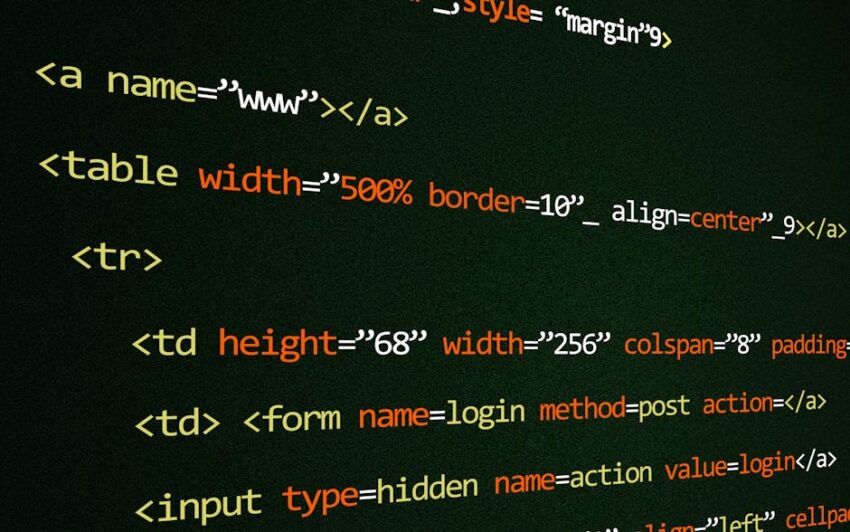
Web development forms the backbone of the digital world, enabling the creation and maintenance of websites. It blends creativity and technical expertise, crafting seamless online experiences. Understanding the fundamentals is pivotal for anyone looking to dive into this dynamic field.
HTML and CSS: The Building Blocks
HTML (Hypertext Markup Language) and CSS (Cascading Style Sheets) are the foundational tools. HTML structures the content, while CSS styles and layouts, ensuring websites are aesthetically pleasing and easy to navigate.
JavaScript for Interactivity
JavaScript enhances user interaction, breathing life into static pages. It enables dynamic content updates, form validations, and interactive elements, providing a richer user experience.
Responsive Design
In an era dominated by diverse devices, responsive design ensures your website adapts seamlessly to varying screen sizes. This flexibility is crucial for maintaining usability and aesthetics, regardless of the user's device.
Backend Technologies
While front-end focuses on user experience, backend manages data processing. Languages like PHP, Python, or Node.js, along with databases such as MySQL, ensure efficient data management and server-side operations.
Version Control with Git
Git, a version control system, is indispensable for web developers. It facilitates collaboration, tracks code changes, and allows seamless project management, essential in modern development environments.
Understanding these web development basics provides a solid foundation, paving the way for creating impactful digital platforms. As technology evolves, mastering these elements becomes not just beneficial, but essential.