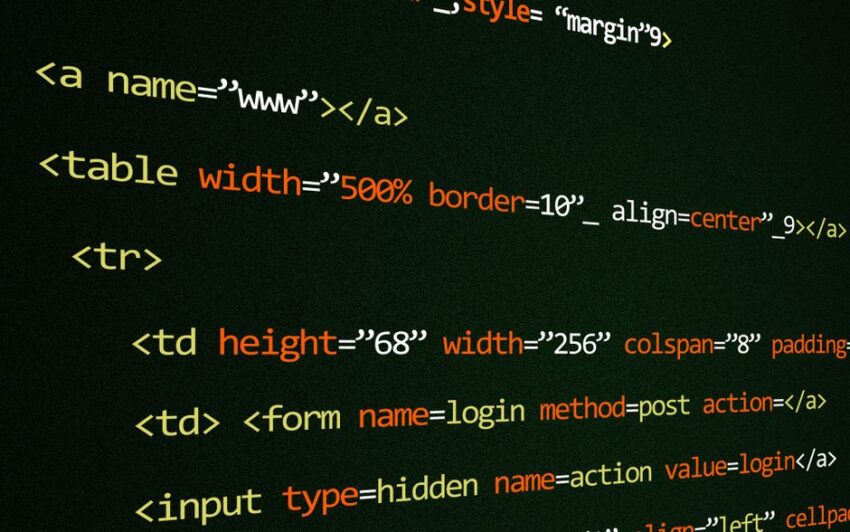
HTML, or Hypertext Markup Language, is the backbone of web development, providing the essential structure that websites are built upon. Whether you are an aspiring web designer or someone curious about how websites function, learning HTML is an invaluable skill. This tutorial is designed to guide you through the basics in a concise manner.
Understanding HTML Structure
A well-structured HTML document consists of a doctype declaration, a head, and a body. The document begins with the `<!DOCTYPE html>` tag, which specifies the HTML version. The head section contains meta-information, such as the title and links to stylesheets, while the body holds the website's content.
Key HTML Elements
Learning the primary HTML elements is crucial. Common tags include `<h1>` to `<h6>` for headings, `<p>` for paragraphs, `<a>` for links, and `<div>` for divisions or sections of a document. These tags define the hierarchical structure and organization of content.
Creating Links and Lists
Hyperlinks and lists are vital for navigation and content organization. The `<a>` tag creates hyperlinks, using the `href` attribute to specify destinations. Lists, ordered `<ol>` and unordered `<ul>`, use `<li>` for items, making them critical for neatly structuring related information.
Conclusion: Starting Your HTML Journey
Embarking on your HTML journey can open up numerous opportunities in web development. With a strong foundation in basic HTML, you'll be prepared to delve deeper into CSS, JavaScript, and beyond, further enhancing your digital skill set.