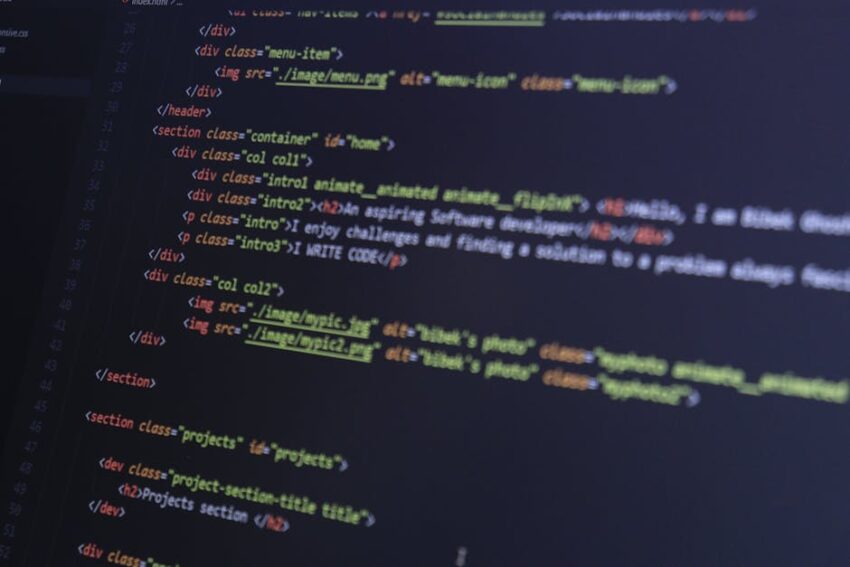
Cascading Style Sheets (CSS) is an essential technology for crafting visually stunning websites. By understanding CSS, web designers can create engaging user experiences through styling and layout techniques.
Styling Text with CSS
One of the simplest ways to enhance your website is by applying CSS to text. This can include changing font sizes, weights, and colors to match branding and improve readability.
Creating Responsive Designs
Responsive design ensures that web pages look great on any device. CSS media queries allow designers to create layouts that adapt to different screen sizes seamlessly.
Utilizing Flexbox for Layouts
Flexbox revolutionizes page layout by making it easier to align elements and distribute space. Mastering Flexbox can eliminate many of the common headaches associated with traditional CSS layout methods.
Animating Elements
CSS animations can add flair to your website, making elements rotate, fade, or bounce. These animations enhance user engagement when used judiciously.
Implementing CSS Grid
CSS Grid offers advanced control over web layouts, making it simple to create complex page designs. It is particularly useful for creating two-dimensional layouts.
Styling with Pseudo-Classes
Pseudo-classes allow you to style elements based on their state, such as when hovering over a button. This technique enhances interactivity and user engagement.
Incorporating CSS Variables
CSS variables streamline the styling process by allowing designers to reuse styles throughout a stylesheet. This makes managing and altering designs easier and more efficient.
In conclusion, mastering these CSS examples can significantly improve the aesthetics and functionality of any website, ultimately leading to a better user experience.