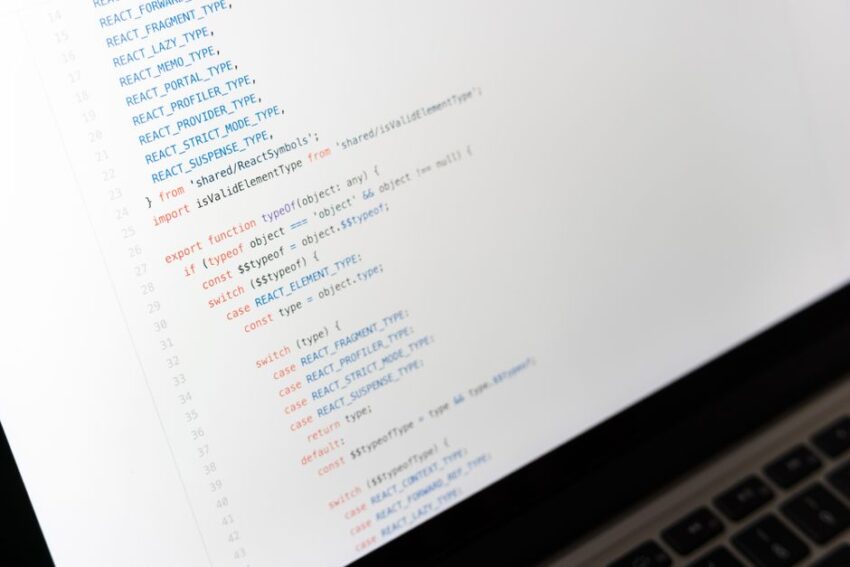
In today's tech-driven world, understanding the basics of coding is increasingly essential. Whether you're a budding developer or a curious newcomer, exploring simple coding examples can help you grasp fundamental concepts quickly. Below, we'll delve into a few straightforward examples across different programming languages to set you on the right path.
Hello World: The Classic Introduction
A rite of passage for every aspiring coder is writing the "Hello World" program. Typically used to print text on a screen, it reinforces the basics of syntax in any language—be it Python, Java, or C++.
Basic Calculator: Operations Simplified
Developing a basic calculator demonstrates the power of coding arithmetic logic. By programming functions for addition, subtraction, multiplication, and division, you strengthen your grasp of conditional expressions and input/output operations.
FizzBuzz: Problem Solving at Its Best
FizzBuzz is a popular exercise often used in coding interviews. It challenges programmers to print numbers with specific substitutions. This task enhances your problem-solving skills and illustrates the efficiency of loops and conditionals.
For Loops: Mastering Iteration
Understanding loops is crucial for handling repetitive tasks. A simple for loop example can illustrate how you iterate over arrays or perform actions multiple times, fundamental aspects of any programming language.
Conditional Statements: Decision Making
Conditional statements play a pivotal role in dictating the flow of a program based on different conditions. Through basic if-else constructs, you can control what your program should do in various scenarios.
In conclusion, engaging with these simple coding examples offers a solid foundation for delving deeper into the vibrant world of programming. By practicing and expanding on these basics, you'll be well-equipped to tackle more complex challenges and grow your coding prowess.