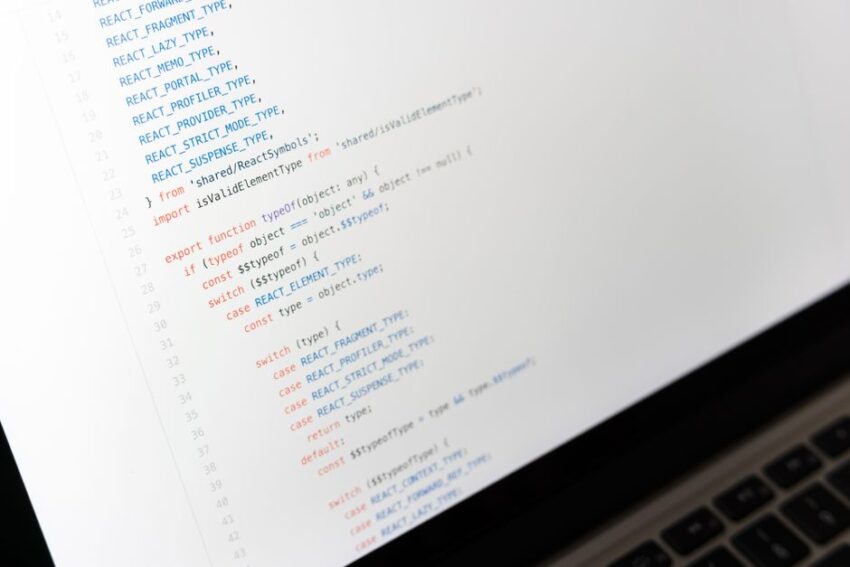
Programming can seem daunting at first, but breaking it down into simple coding examples can make it manageable and even enjoyable. In this article, we'll explore some basic examples that can help you grasp fundamental coding concepts.
Hello World
Every journey begins with a single step, and in programming, that's the "Hello World" program. This simple snippet outputs "Hello, World!" to the screen, providing a first taste of syntax and execution in any language.
Basic Arithmetic Operations
Understanding how to perform basic arithmetic is key. Simple coding examples, like adding or multiplying two numbers, can teach you about variables, operators, and expressions used in most languages.
Conditional Statements
Learning how to use if-else conditions through simple examples, such as checking if a number is even or odd, or determining age eligibility, introduces decision-making in coding.
Looping Constructs
Loops allow you to execute a block of code multiple times. Examples like printing numbers from 1 to 10 illustrate how loops function, covering the basics of iteration.
Simple Functions
Functions are reusable blocks of code. Coding a basic function, such as calculating the square of a number, helps you understand how functions work, emphasizing modular and organized code.
In conclusion, these simple coding examples provide a foundation to delve deeper into the world of programming. With practice and exploration, these basics become the building blocks for more complex projects.